The Role of Video Surveillance in Private Investigations
Table Of Contents
Technological Advances in Surveillance Equipment
Surveillance technology has experienced remarkable growth over recent years, leading to enhanced capabilities for private investigators. High-definition (HD) cameras have become standard, providing clarity and detail that traditional cameras could not achieve. This advancement allows investigators to capture crucial evidence more effectively. Additionally, networked IP cameras have introduced flexibility, enabling remote access to footage through secure internet connections. This feature allows for real-time monitoring, which can be pivotal during sensitive investigations.
The latest innovations also include motion detection and facial recognition technology, streamlining the process of identifying individuals in recorded footage. These tools enable investigators to focus on specific areas of interest without sifting through hours of video data. Storage solutions have improved significantly, with cloud-based systems offering extensive capacity and security. Such developments ensure that footage can be preserved and accessed easily, fostering a more efficient approach to gathering and reviewing evidence.
Benefits of HD and IP Cameras
High-definition (HD) and Internet Protocol (IP) cameras have transformed the landscape of video surveillance in private investigations. The clarity and detail provided by HD cameras enable investigators to capture crucial footage that can be pivotal in solving a case. Unlike traditional analogue systems, HD cameras deliver improved image quality, which aids in identifying subjects and discerning finer details. This enhanced resolution becomes especially valuable in situations where every frame counts.
IP cameras offer additional advantages through their networked capabilities. They can transmit data over long distances without significant loss of quality, making them suitable for both urban and remote environments. Security professionals can access live feeds and recordings from anywhere, facilitating timely decision-making and real-time monitoring. The ability to integrate IP cameras with existing security systems provides a seamless approach to surveillance, allowing for more comprehensive investigative procedures.
Challenges in Video Surveillance
Video surveillance faces numerous challenges, particularly in maintaining privacy and navigating legal regulations. Privacy concerns frequently arise, as individuals may feel uncomfortable being recorded without their consent. This issue necessitates a careful approach to surveillance deployment, ensuring compliance with local laws and regulations. Investigators must strike a delicate balance between gathering crucial evidence and respecting the rights of individuals captured on camera.
Technical limitations also pose difficulties in the effective use of video surveillance. Poor lighting conditions can hinder the clarity of footage, making it difficult to identify subjects or discern details critical to an investigation. Additionally, equipment malfunction or failure can lead to significant gaps in evidence collection. Investigators must be prepared to address these issues proactively, implementing regular checks and maintaining equipment to ensure optimal performance throughout an investigation.
Limitations and Potential Issues
Video surveillance presents inherent challenges that can affect the credibility and utility of gathered evidence. Factors such as poor lighting conditions and obstructions can significantly hinder camera performance. Additionally, the strategic placement of cameras is critical, as blind spots may inadvertently create gaps in coverage, leaving areas vulnerable to incidents that go unrecorded. Issues around data storage and retrieval can also arise, especially when dealing with large volumes of footage, which may lead to obsolete or lost records.
Privacy concerns frequently accompany the deployment of surveillance systems. Individuals may be apprehensive about being monitored, raising ethical questions regarding consent and surveillance limits. The legal landscape surrounding video recording can be complex, necessitating compliance with regulations that vary by jurisdiction. Misunderstandings regarding what constitutes lawful surveillance might lead to potential ramifications for investigators, highlighting the need for clear policies and guidelines in the use and management of surveillance technology.
Integrating Surveillance with Other Investigation Techniques
Combining video surveillance with traditional investigation methods enhances the overall effectiveness of private inquiries. Surveillance footage provides visual evidence that can corroborate other findings, such as witness statements or forensic data. By using video alongside background research and interviews, investigators can create a more comprehensive narrative. This multi-faceted approach helps to establish timelines, identify suspects, and uncover crucial details that may be overlooked when relying solely on one method.
The integration of these techniques also allows for a more thorough analysis of the evidence, leading to improved investigative outcomes. For instance, reviewing video footage in conjunction with physical evidence enables private investigators to spot discrepancies in timelines or behaviours. Additionally, employing surveillance can lead to new leads or uncovering hidden connections among various elements of a case. Such synergy between different investigative techniques not only streamlines the process but also increases the chances of achieving a successful resolution.
Combining Video Evidence with Forensics
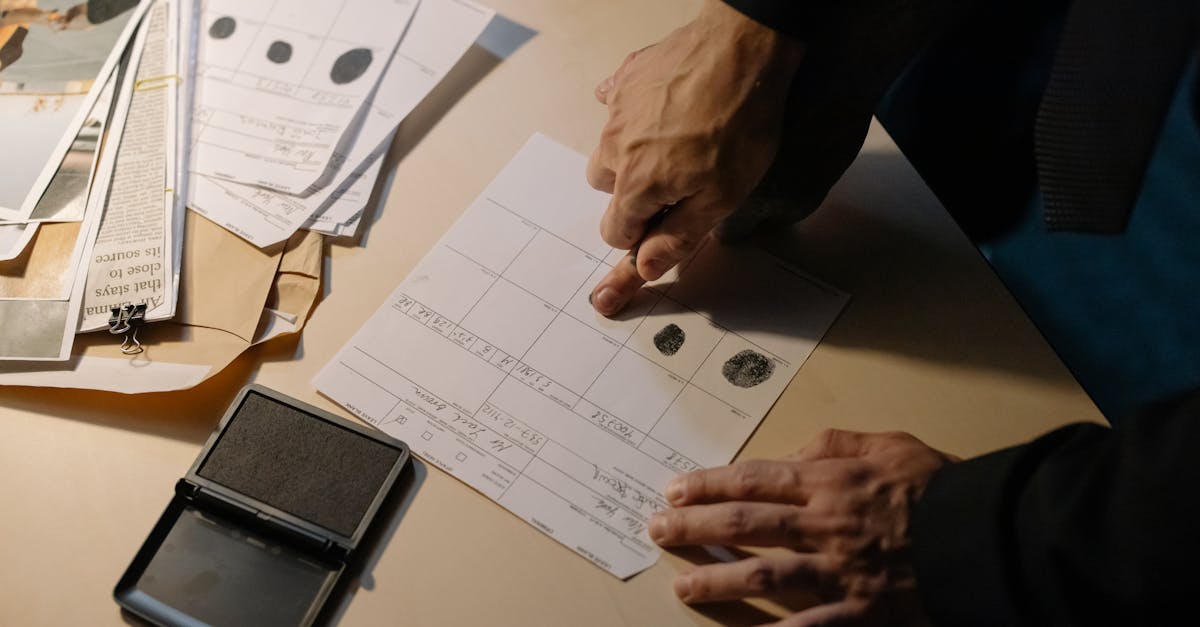
The integration of video evidence with forensic techniques significantly enhances the effectiveness of private investigations. High-definition footage can provide critical visual documentation of events, scenes, or individuals related to a case. Forensic experts can analyse this footage alongside other evidence, such as fingerprints or DNA, to build a comprehensive picture of what occurred. This collaboration allows for the corroboration of findings, improving the chances of successful outcomes in investigative processes.
Video evidence can also serve as an essential tool for forensic analysis, shedding light on ambiguous details that may otherwise be overlooked. For example, time-stamped footage can help establish timelines or identify patterns of behaviour, which are crucial in building a strong case. When investigators combine insights from video surveillance with scientific evidence, they can identify suspects more accurately and secure stronger bases for legal proceedings, ultimately leading to more robust conclusions.
FAQS
What are the key technological advances in surveillance equipment?
Technological advances in surveillance equipment include the development of HD and IP cameras, improved image resolution, enhanced night vision capabilities, and wireless connectivity, allowing for real-time monitoring and remote access.
How do HD and IP cameras benefit private investigations?
HD and IP cameras provide higher image clarity and detail, making it easier to identify subjects and capture critical evidence. They also offer features such as remote viewing, motion detection, and cloud storage, which enhance the overall effectiveness of surveillance.
What are some challenges associated with video surveillance in private investigations?
Challenges in video surveillance include issues with camera placement, privacy concerns, legal restrictions on recording, and the potential for technical failures or malfunctions that can jeopardise evidence collection.
What limitations and potential issues should I be aware of when using video surveillance?
Limitations of video surveillance include limited coverage areas, the possibility of camera blind spots, and challenges in capturing clear footage in poor lighting conditions. Additionally, video evidence may be subject to tampering or misinterpretation.
How can video surveillance be integrated with other investigation techniques?
Video surveillance can be effectively integrated with other investigation techniques by combining video evidence with forensic analysis, witness statements, and digital data to build a comprehensive case. This multi-faceted approach enhances the reliability of the findings.
Related Links
How to Choose the Right Video Surveillance System for Your NeedsUnderstanding the Basics of Video Surveillance in Sydney
Ethical Considerations in Video Surveillance for Private Detectives
The Impact of Video Surveillance on Infidelity Investigations
Integrating Video Surveillance with Other Investigative Techniques
Common Challenges Faced During Video Surveillance Operations
Innovative Video Surveillance Technologies Available Today