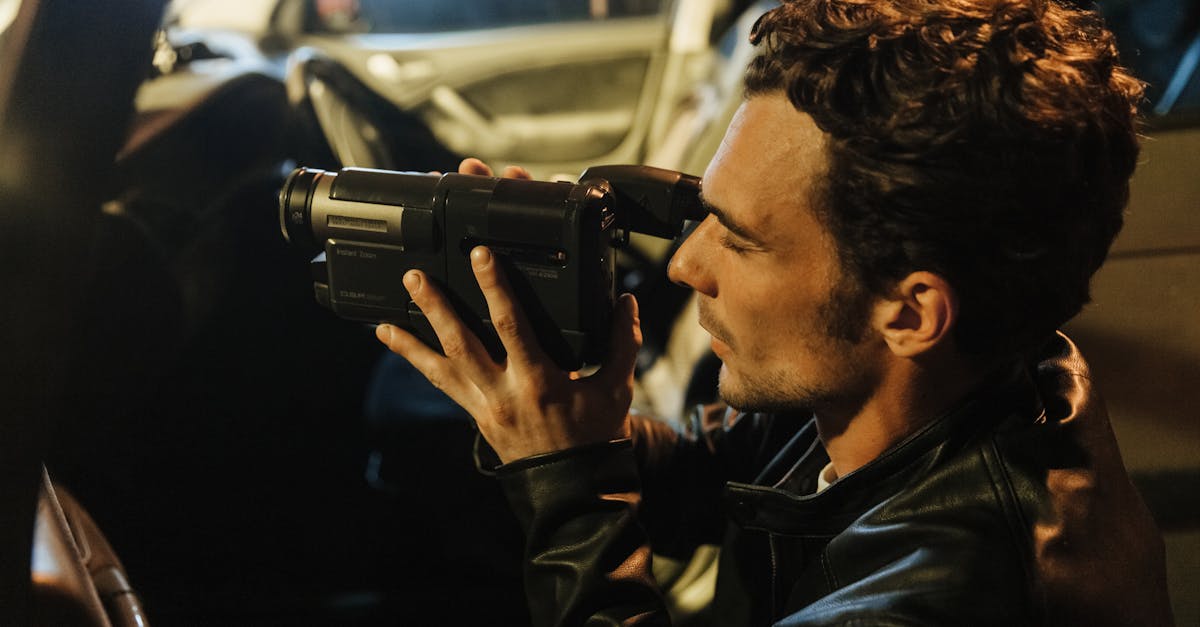
Ethical Implications of Covert Surveillance Practices
Table Of Contents
Technological Advances in Surveillance
The rapid development of surveillance technology has transformed the landscape of law enforcement and security. Drones equipped with high-resolution cameras are now commonplace, allowing for aerial monitoring of large areas without detection. Facial recognition software has also advanced significantly, enabling authorities to identify individuals in real-time through crowded public spaces. Covert surveillance tools, such as miniature cameras and audio recording devices, have become more accessible, affecting both professional and private realms.
This convergence of technology with accessibility raises various ethical questions regarding privacy and consent. With the proliferation of surveillance systems, the boundary between legitimate safety measures and invasive monitoring blurs, creating a climate of uncertainty for individuals regarding their rights. Governments and organisations continue to grapple with establishing frameworks that balance security needs against the protection of personal freedoms. As technological capabilities expand, so too does the responsibility of those who wield these tools to consider their broader implications on society.
How Technology Facilitates Covert Operations
Advancements in technology have significantly enhanced the capabilities of covert surveillance operations. Sophisticated devices such as miniaturised cameras, drones, and advanced listening equipment allow for discreet monitoring in various environments. These tools can operate with minimal human presence, making it easier to gather information without detection. Innovations in artificial intelligence and machine learning further enable the analysis of vast amounts of data, quickly identifying patterns and behaviours that might otherwise go unnoticed.
The integration of internet-connected devices has created new opportunities for surveillance. Smart home technologies, such as voice assistants and security cameras, can be exploited to collect personal data without the user's awareness. Additionally, the proliferation of social media platforms enables operatives to conduct open-source intelligence gathering, offering insights into individuals' lives and movements. This technology-driven environment poses challenges in balancing security measures while safeguarding individual privacy rights.
Case Studies of Covert Surveillance
Numerous instances of covert surveillance have emerged in various contexts, illustrating both the technological capabilities and ethical dilemmas associated with such practices. One notable case involved law enforcement agencies employing advanced techniques to monitor criminal activities without the knowledge of the subjects involved. The operational use of drones, hidden cameras, and digital surveillance tools transformed the landscape of policing, raising discussions about privacy rights and consent in Australia.
A specific example from Australia includes the investigation into a high-profile corruption case where covert surveillance was employed to gather critical evidence. In this situation, authorities used innovative methods to capture interactions between public officials and private entities. Although the operation resulted in significant legal actions, it also sparked a debate regarding the balance between ensuring public safety and upholding individual privacy rights, reflecting the ongoing tension in the ethical discourse surrounding covert surveillance practices.
Notable Instances in Australia
Australia has witnessed several notable instances of covert surveillance that raised significant ethical concerns. One such case involved the Australian Federal Police employing surveillance tactics to monitor suspected criminals, which included the use of hidden cameras and listening devices. These operations sparked debates about privacy rights and the extent to which authorities should intrude on individual lives in the name of security. The public's reaction highlighted a growing unease regarding the fine line between necessary surveillance and invasive oversight.
Another prominent example occurred during the implementation of the National Security Legislation Amendment, which broadened the government's ability to conduct covert operations. Critics argued that this legislation could lead to overreach and abuse of power, particularly with minimal oversight on the agencies involved. The implications of these surveillance practices have prompted discussions on the need for robust ethical frameworks that can safeguard civil liberties while allowing law enforcement to perform their duties effectively.
International Perspectives on Covert Surveillance
Covert surveillance practices vary significantly around the globe, influenced by cultural, political, and legal frameworks. In many countries, such operations are tightly regulated and subject to oversight, reflecting a societal consensus on balancing security needs with personal privacy rights. For instance, European nations often adhere to stringent data protection laws that dictate how surveillance data can be collected, stored, and used. This regulatory environment has led to ongoing debates about the implications of sophisticated surveillance technologies, particularly in relation to citizens' consent and the transparency of state actions.
Conversely, there are countries where covert surveillance is exercised with little oversight or consultation. In some regions, governments justify extensive surveillance under the guise of national security, potentially compromising individual freedoms. This tension often sparks significant discourse, questioning the ethical boundaries of surveillance practices. Furthermore, international human rights organisations scrutinise these activities, advocating for stricter adherence to ethical standards and greater accountability mechanisms, pushing for a global dialogue on best practices and humane approaches to surveillance.
Ethical Standards in Comparative Context
Across the globe, ethical standards governing covert surveillance practices vary significantly. Countries such as the United Kingdom and the United States have well-established legal frameworks, balancing national security needs with individual privacy rights. In contrast, some nations lack robust oversight, leading to potential abuses of power and violations of civil liberties. The disparate approaches to regulation reflect differing societal values and levels of trust in government institutions.
In Australia, existing legislation presents a mixed picture. While specific laws protect the privacy of citizens, the scope for covert surveillance is broad, often leading to ethical dilemmas. Public debate centres on whether current policies adequately address modern technological advancements. Citizens grapple with fears of overreach as governments leverage sophisticated surveillance capabilities under the guise of national security, raising questions about accountability and transparency in the monitoring of individuals.
FAQS
What are the primary ethical concerns surrounding covert surveillance practices?
The primary ethical concerns include invasion of privacy, potential misuse of data, lack of accountability, and the impact on public trust in institutions.
How does technology facilitate covert surveillance operations?
Technology enables covert surveillance through advanced tools such as drones, GPS tracking, facial recognition software, and internet monitoring, which allow for seamless data collection without the knowledge of the individuals being monitored.
Are there any legal frameworks governing covert surveillance in Australia?
Yes, Australia has various legal frameworks that govern covert surveillance, including the Telecommunications (Interception and Access) Act 1979 and state-based law enforcement legislation that outline when and how surveillance can be conducted.
What are some notable case studies of covert surveillance in Australia?
Notable case studies include the use of surveillance in counter-terrorism operations and the controversial use of facial recognition technology by law enforcement agencies, which raised questions about civil liberties and privacy rights.
How do international perspectives on covert surveillance differ from those in Australia?
International perspectives can vary significantly, with some countries implementing stricter regulations and oversight, while others may have more lenient approaches. Cultural attitudes towards privacy and government transparency also influence these differences.
Related Links
Case Studies: Successful Covert Surveillance Operations in SydneyHow Private Detectives Use Covert Surveillance for Investigations
Covert Surveillance: Balancing Privacy and Investigation Needs
The Impact of Technology on Covert Surveillance Methods
Understanding the Limitations of Covert Surveillance Techniques