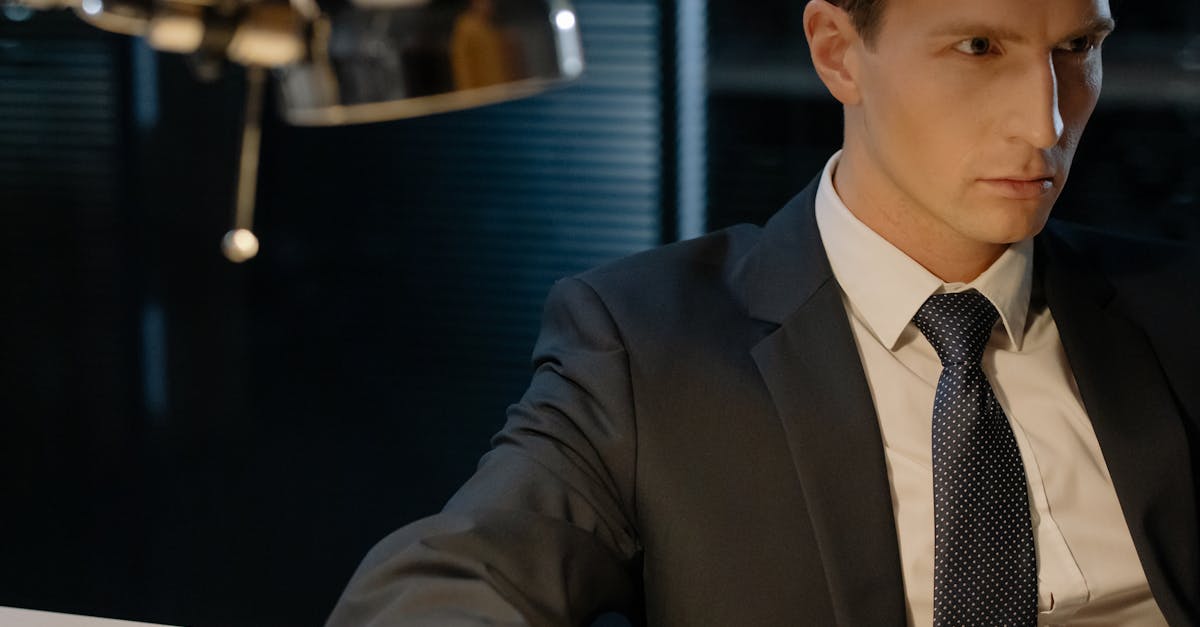
Techniques for Effective Covert Surveillance in Sydney
Table Of Contents
Techniques for Disguised Observation
Achieving successful covert surveillance often hinges on the ability to blend seamlessly into one’s surroundings. This can involve dressing in a manner that aligns with the local aesthetic, whether that be casual clothing for a relaxed neighbourhood or more formal attire for business districts. Additionally, adopting behaviours typical of those frequenting the area can help reduce suspicion. For instance, engaging in common activities such as reading, walking a dog, or using a mobile phone can make an observer appear innocuous.
Creating natural points of concealment is equally important for effective observation. Choosing locations with adequate cover, such as cafes, parks, or public transport hubs, allows for discreet yet thorough monitoring of a subject. Employing props like sunglasses or hats can also aid in disguising one's identity. Maintaining a relaxed posture and avoiding drawing attention through erratic movements ensures that the operative remains unnoticed while gathering critical information.
How to Blend In During Surveillance
Achieving a seamless integration into the environment is crucial for successful covert surveillance. Wearing attire that matches the local style can help avoid drawing attention. Observing the behaviours of those around can provide insights into how to act naturally. Adopting subtle movements and remaining aware of surroundings reduces the risk of detection. Choosing locations that are frequented by the intended subjects enhances the chances of unobtrusive observation.
Disguising one’s presence also involves managing body language effectively. Maintaining a casual demeanour while being observant creates a balance between looking engaged and focused. It is important to avoid over-expressiveness that might suggest ulterior motives. Employing props such as newspapers or mobile devices can further aid in staying inconspicuous. Ultimately, the goal is to observe without becoming an object of curiosity.
Utilizing Technology for Surveillance
Advanced technology has transformed the landscape of covert surveillance, allowing for discreet observation and data collection. High-resolution cameras, equipped with zoom capabilities and night vision, enable surveillance operators to gather clear footage from considerable distances. Moreover, drones equipped with sophisticated imaging technology offer unique aerial perspectives, making it easier to monitor activities without being detected.
In addition to visual equipment, audio recording devices have become increasingly compact and effective. These gadgets can be hidden in everyday objects, capturing conversations and environmental sounds without drawing attention. Portable GPS trackers also play a significant role, providing real-time location data and movement patterns of individuals while maintaining the operator's anonymity. The integration of these technologies enhances the overall effectiveness of surveillance missions, allowing for a more comprehensive understanding of the target environment.
The Role of Modern Gadgets in Covert Operations
In the realm of covert operations, technology has transformed the ways in which surveillance tasks are executed. Miniaturisation has led to the development of devices such as hidden cameras and audio recorders that can be easily concealed in everyday objects. These tools not only facilitate discreet observation but also ensure that operatives can gather vital information without drawing attention to themselves. The wireless functionality of many of these gadgets further enhances their utility, allowing real-time data transmission directly to operatives stationed at a distance.
GPS trackers and mobile applications have also become indispensable in modern surveillance strategies. These technologies enable operatives to monitor movements and gather precise location data of subjects under observation. Additionally, drones have emerged as powerful assets for aerial reconnaissance, providing an unobstructed view of the surroundings. The integration of advanced imaging technology, such as infrared and night vision capabilities, ensures that even in low-light conditions, valuable insights can be captured without compromising the integrity of the operation.
Monitoring and Data Collection
Collecting data in covert surveillance requires a meticulous approach. Observers should maintain a low profile while ensuring they capture relevant information. This can involve taking detailed notes or using discreet recording devices. The key is to remain inconspicuous to avoid detection while still gathering valuable insights. Keeping a consistent documentation method helps in analysing the collected data later.
Observation can be complemented with technology to enhance the accuracy of monitoring. High-quality cameras, drones, and specialised apps can aid in capturing real-time information without attracting attention. Utilising these tools allows for a broader range of data collection, from visual evidence to location tracking. Effective data management and organisation will ensure that the insights gathered can be easily accessed and analysed when needed.
Effective Methods for Gathering Information
When conducting covert surveillance, gathering information effectively often hinges on choosing the right methods tailored to the environment. Observers can make use of discreet note-taking to record behaviours, movements or conversations without attracting attention. Utilizing audio recorders can also be beneficial, allowing for high-quality, accurate documentation of interactions. Having a clear plan regarding what information is most vital can streamline the process, ensuring that nothing crucial is overlooked during observation.
In addition to traditional methods, leveraging digital tools can enhance data collection efforts. Applications designed for managing and securing sensitive information can prove invaluable, offering features like timestamping and geolocation. Observers might consider deploying drones equipped with cameras or employing smart glasses that capture footage discreetly. These advancements allow for a more comprehensive approach to monitoring, making it easier to piece together a narrative or gather critical evidence while remaining unobtrusive.
FAQS
What is covert surveillance?
Covert surveillance refers to discreetly observing and gathering information about individuals or activities without their knowledge. This can be achieved through various techniques and tools to ensure that the surveillance remains undetected.
How can I blend in during surveillance?
Blending in during surveillance involves adopting appropriate clothing and behaviour that match the environment and the target's surroundings. This includes choosing neutral colours, avoiding attention-grabbing accessories, and mimicking the activity of people around you.
What types of technology can assist in covert surveillance?
A range of modern gadgets can assist in covert surveillance, including hidden cameras, drones, audio recording devices, and advanced GPS trackers. These tools enhance the ability to gather data discreetly and efficiently.
What are effective methods for gathering information during surveillance?
Effective methods for gathering information include taking detailed notes, using video or audio recordings, employing photographic evidence, and observing body language and interactions. Each method should be used in accordance with legal guidelines to ensure ethical compliance.
Are there legal restrictions on conducting covert surveillance in Sydney?
Yes, there are legal restrictions regarding covert surveillance in Sydney. It is essential to understand and comply with local laws, including privacy regulations and trespass laws, to avoid legal repercussions. Always consult with a legal expert if in doubt.
Related Links
Legal Considerations for Covert Surveillance in AustraliaCovert Surveillance: Balancing Privacy and Investigation Needs
The Impact of Technology on Covert Surveillance Methods
Understanding the Limitations of Covert Surveillance Techniques
The Role of Covert Surveillance in Infidelity Investigations
Case Studies: Successful Covert Surveillance Operations in Sydney