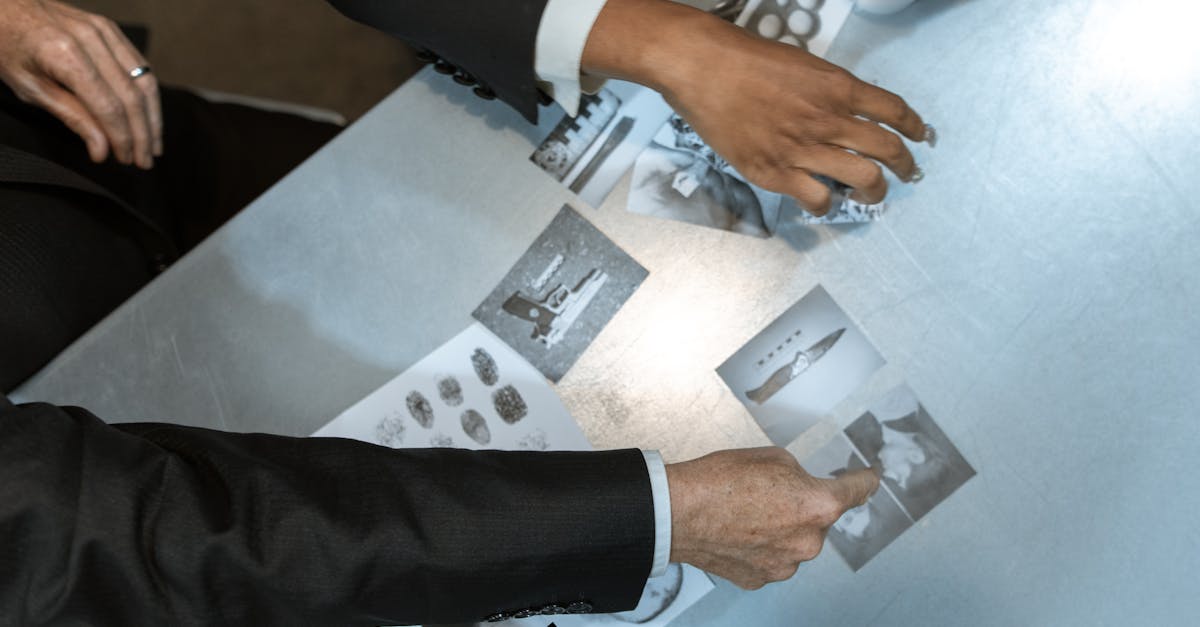
Tools of the Trade: Essential Equipment for Covert Surveillance
Table Of Contents
Drones in Surveillance
The integration of drones in surveillance has transformed the capabilities of operatives in various fields. These unmanned aerial vehicles offer a bird's-eye view of vast areas, allowing for real-time monitoring that was once unimaginable. With high-resolution cameras and advanced sensors, drones can capture critical data from inaccessible or dangerous locations. Their ability to operate quietly and at various altitudes enhances their effectiveness in covert operations and intelligence gathering.
Despite their advantages, drones also come with certain limitations. Regulatory restrictions in many regions dictate where and how drones can be flown, often requiring permits for specific missions. The dependence on battery life may restrict flight durations, especially during extensive surveillance operations. Additionally, weather conditions can significantly impact their functionality, leading to potential challenges in reliable deployment. As technology evolves, addressing these limitations will be crucial for maximising the effectiveness of drones in surveillance scenarios.
Advantages and Limitations of Using Drones
Drones provide several advantages in the realm of covert surveillance. Their ability to cover vast areas quickly can significantly enhance reconnaissance efforts, allowing operators to gather information that would be time-consuming or dangerous to obtain on foot. High-definition cameras and thermal imaging sensors equipped on drones can capture detailed images from elevations that would be otherwise inaccessible. This aerial perspective not only improves situational awareness but also aids in tracking subjects discreetly without drawing attention.
However, the use of drones is not without its limitations. Regulatory restrictions in many regions may hinder flights, especially in urban areas where privacy concerns and airspace regulations are strict. Additionally, weather conditions such as wind or rain can affect drone performance, potentially compromising surveillance missions. The reliance on battery life poses another challenge, as extended flights might not always be feasible, leading to gaps in data collection.
Personal Protection Equipment
In the world of covert surveillance, personal protection equipment (PPE) plays a crucial role in ensuring the safety of operatives. This gear includes items designed to shield individuals from a variety of threats, whether environmental or situational. High-visibility vests, gloves, and headgear can help prevent injuries while navigating potentially hazardous environments. Additionally, body armour and tactical clothing offer layers of protection against physical harm. When engaging in surveillance activities, considering the specific circumstances helps in selecting appropriate PPE.
The effectiveness of an operation can significantly increase when personnel are equipped with the right tools. An emergency first-aid kit is essential for immediate medical response in case of injury. Communication equipment such as earpieces ensures discreet coordination among team members. Furthermore, durable footwear enhances mobility during fieldwork. Each piece of gear not only contributes to safety but also aids in operational efficiency, allowing surveillance personnel to focus on their assignments without undue distraction or concern for their wellbeing.
Essential Gear for Safe Surveillance Operations
When engaging in covert surveillance, personal protection equipment plays a crucial role in ensuring safety during operations. This gear typically includes items such as tactical vests, gloves, and sturdy footwear designed for various terrains. High-visibility clothing, while essential for legal operations, should be avoided in covert scenarios to maintain anonymity. Additionally, the use of communication devices that allow for silent coordination between team members is vital, facilitating seamless efficiency without compromising secrecy.
Another important aspect is the inclusion of first-aid kits tailored for outdoor settings, addressing potential injuries that could occur during surveillance. These kits should contain items such as bandages, antiseptics, and emergency flares. Moreover, portable power supplies can be indispensable in remote operations, ensuring that all electronic equipment remains functional when access to traditional power sources is unavailable. Incorporating these elements not only enhances operational effectiveness but significantly reduces risks associated with surveillance activities.
Software for Data Analysis
The rise of technology has significantly transformed the landscape of data analysis in surveillance. Advanced software solutions now facilitate the processing of vast amounts of information gathered through various means. These tools can automatically analyse footage, recognise patterns, and compile reports, making it easier for operatives to focus on actionable insights rather than getting bogged down in raw data. Features such as real-time data processing and integration with existing systems increase the efficiency of surveillance operations.
Several software options cater to different aspects of data analysis, each offering unique functionalities. Some programs excel in geospatial analysis, allowing users to visualise data on maps and identify trends over time. Others specialise in social media monitoring, enabling operatives to gather intelligence from online interactions. The choice of software often depends on specific operational requirements, budget constraints, and the level of technical expertise available within the team. By selecting the right tools, those involved in surveillance can enhance their effectiveness and ensure more successful outcomes in their missions.
Tools to Streamline Information Processing
Analysing vast amounts of data generated during covert operations requires efficient software solutions. Tools such as specialised databases and automated data extraction programs can significantly reduce the time spent on information processing. These applications allow for seamless integration of various data sources, enhancing the ability to identify patterns and trends. The utilisation of advanced algorithms enables analysts to focus on critical insights rather than getting lost in raw data.
Visualisation tools represent another key component in streamlining information processing. They transform complex datasets into visual formats, making it easier to grasp significant findings at a glance. Interactive dashboards can facilitate real-time monitoring, allowing teams to respond promptly to emerging situations. This not only enhances decision-making but also ensures that all relevant information is easily accessible and comprehensible for various stakeholders.
FAQS
What types of drones are commonly used in covert surveillance?
Common types of drones used in covert surveillance include quadcopters, fixed-wing drones, and mini-drones, each offering various capabilities such as flight duration, camera quality, and stealth features.
What are some advantages of using drones for surveillance?
Drones provide aerial perspectives, can cover large areas quickly, access hard-to-reach locations, and often come equipped with high-resolution cameras and thermal imaging, making them ideal for gathering intelligence discreetly.
What limitations should I be aware of when using drones for surveillance?
Limitations include regulatory restrictions in certain areas, potential battery life constraints, susceptibility to weather conditions, and the need for skilled operators to navigate and control the drones effectively.
What personal protection equipment (PPE) is recommended for surveillance operations?
Recommended PPE includes tactical vests, helmets, gloves, and appropriate clothing to ensure safety and concealment during operations, along with first aid kits and communication devices.
Which software is best for data analysis in surveillance?
Popular software options for data analysis in surveillance include Palantir, IBM i2 Analyst's Notebook, and Tableau, as they help streamline information processing and visualisation, allowing for better decision-making based on gathered data.
Related Links
How Private Detectives Use Covert Surveillance for InvestigationsLegal Considerations for Covert Surveillance in Australia
Covert Surveillance: Balancing Privacy and Investigation Needs
The Impact of Technology on Covert Surveillance Methods
Understanding the Limitations of Covert Surveillance Techniques